How a refined, extravagant prince became King of Poland, abandoned his throne for France, and was assassinated by a monk—ending the 260-year Valois dynasty
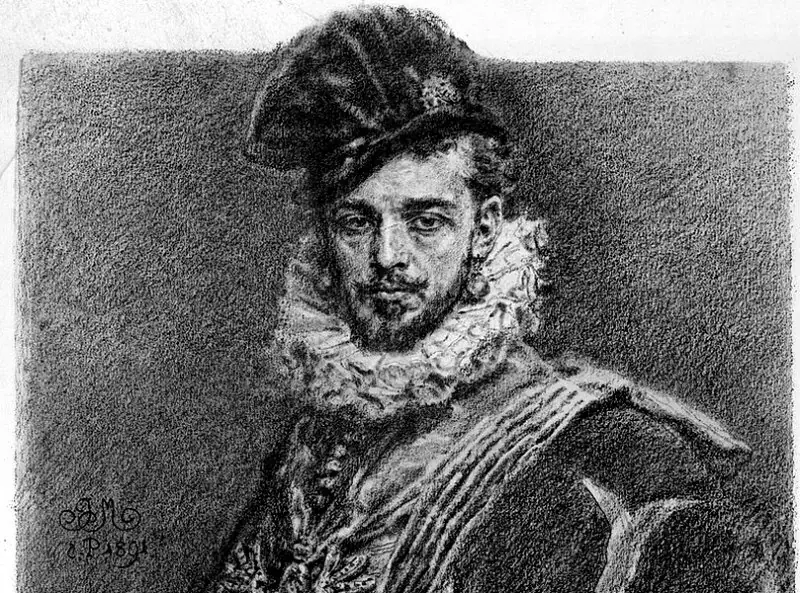
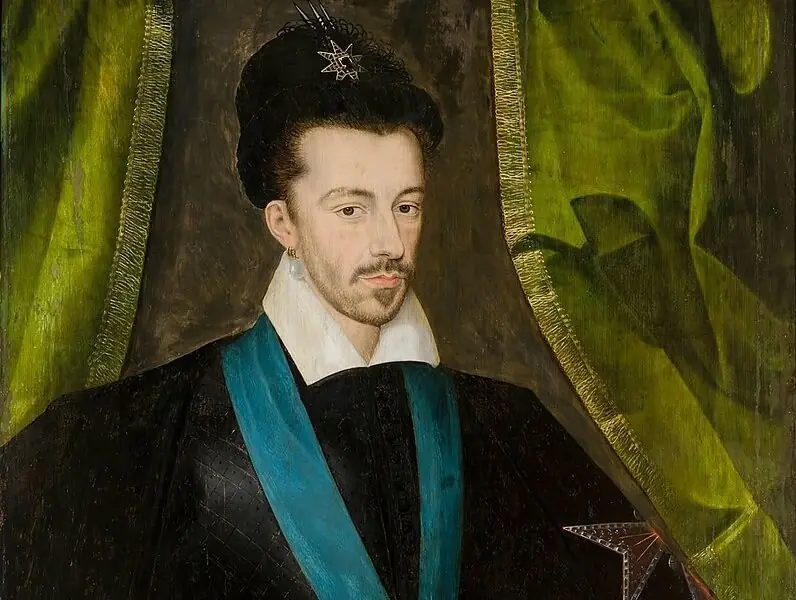
Imagine a 23-year-old king standing in Kraków’s Wawel Cathedral in February 1574, diamond earrings glittering, fingers heavy with rings, surrounded by stern Polish nobility who find his appearance ridiculous. He speaks no Polish, understands little of this cold, hard-drinking kingdom, and spends his evenings playing cards—recovering losses from the royal treasury. Six months later, this same king will sneak out of his castle at night, bribe pursuing nobles with jewels, and flee toward France never to return. The brief, bizarre reign of Henry III of France as King of Poland lasted barely seven months, yet it epitomizes the contradictions that would define his tragic life: educated and accomplished, yet politically inept; refined and charming, yet unable to command respect; crowned twice, yet master of neither realm.
Henry III (1551-1589) remains one of French history’s most enigmatic figures. Last of the Valois dynasty that ruled France for 260 years, he presided over religious civil wars, the St. Bartholomew’s Day Massacre’s aftermath, and his own violent death at age 37. His contemporaries mocked his “ladylike delicacy” and affected manners; modern historians debate whether he was weak ruler or victim of impossible circumstances. Understanding Henry III requires examining the political forces—his mother Catherine de’ Medici’s machinations, Catholic-Huguenot hatred, noble factionalism—that constrained even royal power in late 16th-century France.
Origins: The Valois Prince
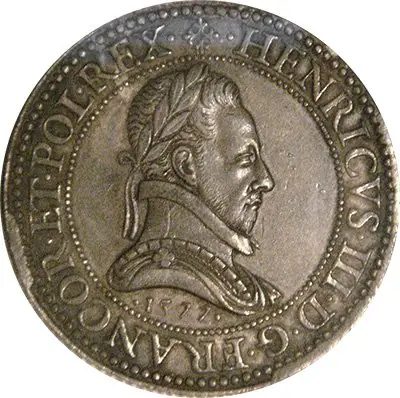
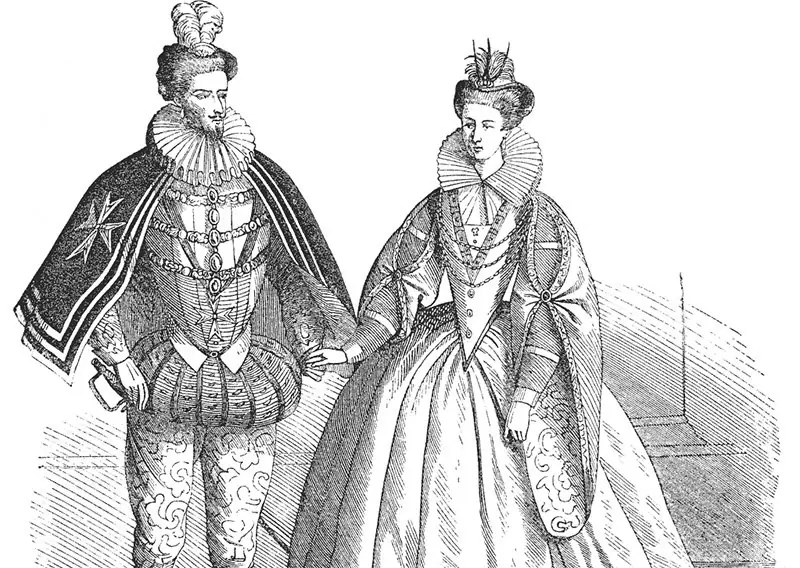
Born in 1551, Henry III was the fourth son of Henry II and Catherine de’ Medici. He accumulated titles—Duke of Angoulême, Orléans, Anjou, Bourbon, and Auvergne—without expecting the throne. His education was exceptional: accomplished swordsman, well-read, intellectually curious. Yet his refinement crossed into extravagance. Contemporaries noted his perfumed elegance, elaborate dress, and mannered behavior—qualities that would serve him poorly among rougher political actors.
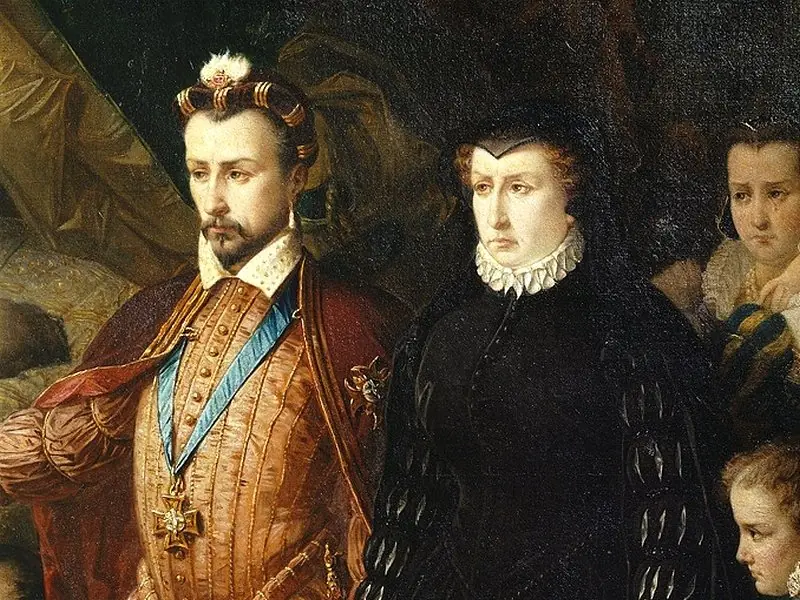
His mother Catherine dominated his early life. Married at 14 to Prince Henry de Valois, she produced three French kings through determined political maneuvering. Initially Huguenot ally, Catherine became their implacable enemy when Protestant influence threatened royal authority. Many historians blame her policies for provoking civil wars that ultimately killed 50,000 Huguenots nationwide. She maintained influence even through Henry III’s reign, though he eventually escaped her “cruel tutelage.” Catherine loved Henry III most among her children and determined to secure him some crown—any crown—through her diplomatic genius.
The Polish Gamble: Election and Escape
Opportunity emerged in 1572. Sigismund II Augustus, King of Poland-Lithuania, died without male heirs. Catherine proposed marrying 22-year-old Henry III to the king’s unmarried sister, 49-year-old Infanta Anna Jagiellon. The first French embassy failed even to enter the Polish court. Undeterred, Catherine sent a second embassy led by Bishop Jean de Montluc after Sigismund’s death.
The St. Bartholomew’s Day Massacre (August 24, 1572) complicated these negotiations. The Huguenot slaughter horrified Europe; Tsar Ivan the Terrible abolished his oprichnina that same year in apparent response. Montluc therefore spread rumors that young Henry III had opposed the massacre, personally sheltering a dozen Huguenots in his chambers—fabrications designed to make him acceptable to Polish electors.
Competition was formidable: Ernest Habsburg, Ivan the Terrible, Sweden’s John III, and Transylvania’s Stefan Batory all sought Anna’s hand and Poland’s crown. Yet the 50,000-member Sejm delivered landslide victory to the French prince on April 5, 1573. The “Articles of Henry”—constitutional guarantees of noble privileges and elective monarchy—awaited his acceptance.
On September 10, 1573, Henry III was proclaimed King of Poland in Paris’s Notre Dame Cathedral. His journey took two months; on January 24, 1574, his enormous convoy crossed the Polish border. Archbishop Jakub of Uchański crowned him at Wawel Cathedral on February 22. The 23-year-old charmed with intelligence and eloquence, but his appearance—diamond earrings, a dozen rings—displeased stern Polish nobility.
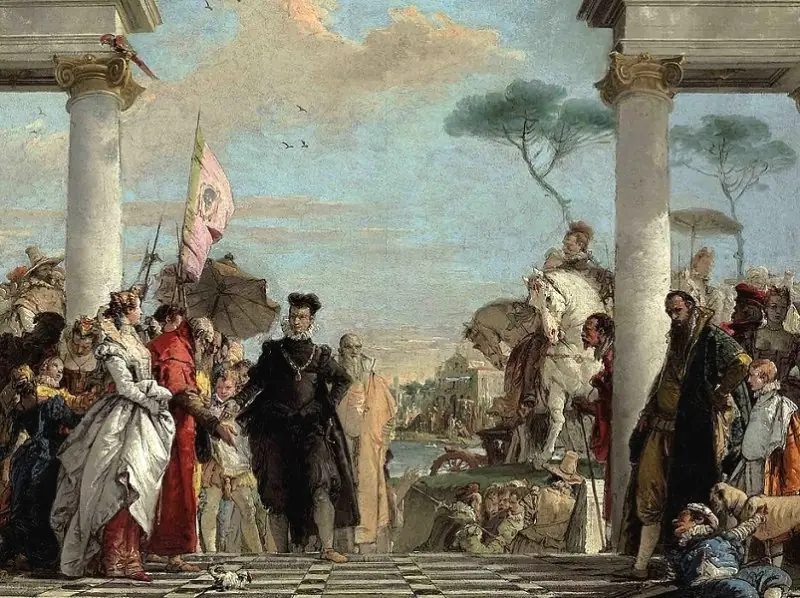
The cultural collision was mutual. Henry III found Polish climate harsh, villages neglected, nobility hard-drinking. He delighted only in Wawel’s sewer system, which channeled waste away—rare medieval sanitation. The Poles despised French luxury, perfumes, and pretentious manners. The king spoke no Polish, languished through state receptions, and governed virtually not at all, preferring card games funded by the treasury.
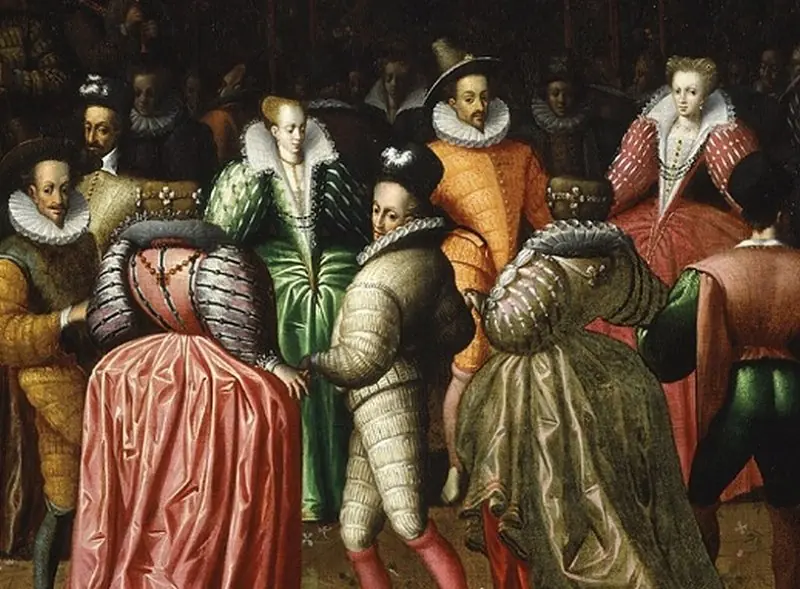
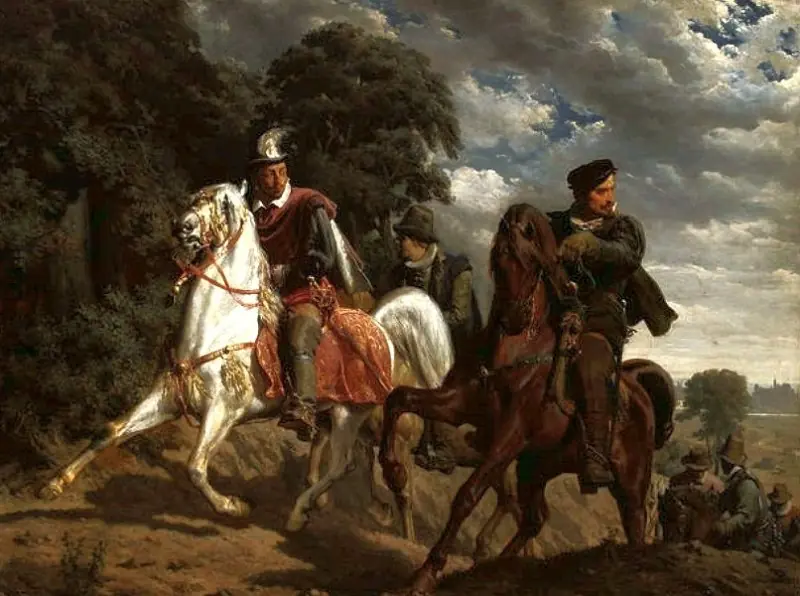
Marriage to Anna approached. Then in June 1574, Catherine’s letter arrived: brother Charles IX was dead; Henry III must claim France immediately. To escape, he hosted another ball, got nobles drunk, and fled Wawel on June 18’s night. Pursuers caught him at the border; he bribed them with all available cash and jewels. The Poles stipulated return by June 1575 or forfeiture. He never returned. Maximilian of Habsburg was elected, then Stefan Batory, who married Anna Jagiellon—now Queen of Poland.
French Reign: Religious Wars and Political Failure
Crowned at Reims on February 11, 1575, Henry III married Louise of Lorraine two days later—the “White Queen,” so-called for her pale beauty and later mourning. His treasury depleted, he purchased Huguenot support through virtual independence: religious freedom, parliamentary participation. This enraged Henry, Duke of Guise, Catholic League leader, who with brother Cardinal Louis of Lorraine plotted royal elimination.
The sixth religious war (1577-1580) found Henry III attempting impossible reconciliation. Declaring himself Catholic League nominal head, he sought to unite warring factions—instead encouraging Guise ambition for his abdication or assassination. His younger brother François’s 1584 death transformed succession politics. With royal couple childless, next heir was Henry of Navarre, Protestant husband of Henry III’s sister Margaret. Guise could not tolerate Huguenot kingship.
War resumed in 1588. Though Navarre was victorious, Guise provoked Catholic Paris uprising, forcing Henry III to relocate court to Blois. Guise entered Paris and ruled effectively for months. On December 23, 1588, Henry III—with guard assistance—assassinated Guise and brother Louis. The act was decisive but fatal.
Assassination and the Valois End
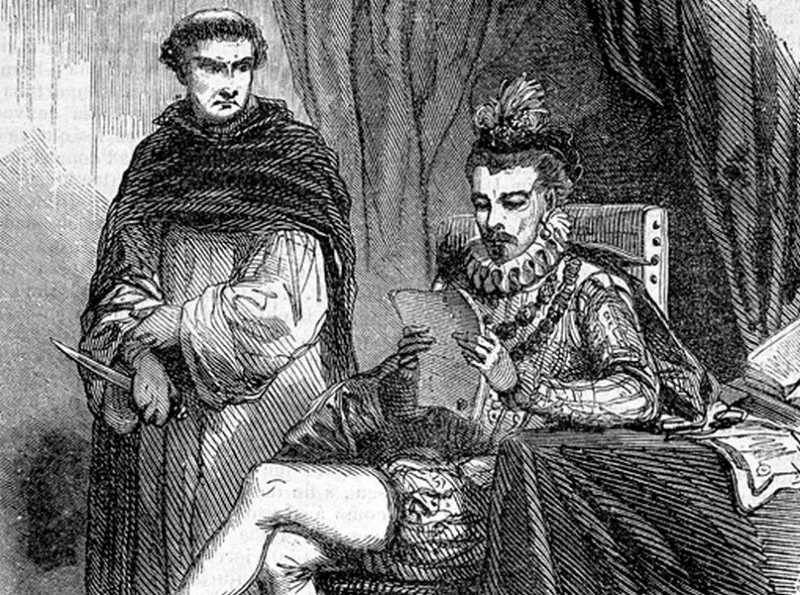
Catholics and Guise partisans were incensed. On July 31, 1589, 22-year-old Dominican monk Jacques Clément, Guise supporter, requested royal audience and stabbed Henry III with a stiletto. Bodyguards killed Clément immediately; the wound proved mortal. Henry III died August 2, 1589, naming Henry of Bourbon successor.
Thus ended 260 Valois years. The dynasty that began with Philip VI in 1328 expired with this last son, who had worn two crowns, mastered neither, and died at 37 by fanatic’s blade.
Cultural Memory: Literature and Film
Henry III’s dramatic life attracted artistic treatment. Alexandre Dumas immortalized him in the trilogy Queen Margot, The Countess de Monsoreau, and The Forty-Five, plus several plays. Over a dozen foreign and Russian films and television series have portrayed his reign—testament to enduring fascination with this failed, murdered king.
Assessment remains divided. Contemporaries saw weakness, indecision, extravagance. Modern scholars recognize impossible constraints: religious fanaticism, noble factionalism, maternal domination, and constitutional limitations that would have defeated stronger characters. Henry III was not great king; perhaps no great king was possible in his circumstances. His life illustrates how historical forces—Reformation hatred, aristocratic ambition, international competition—could overwhelm even royal power, transforming crowned heads into victims of passions they could neither control nor comprehend.
Primary Topics: Henry III of France, Valois dynasty, King of Poland, Catherine de’ Medici, St. Bartholomew’s Day Massacre, French Wars of Religion, Henry of Guise, Polish-Lithuanian Commonwealth, Anna Jagiellon, Jacques Clément assassination, Alexandre Dumas Queen Margot, Henry of Navarre, French history 16th century