
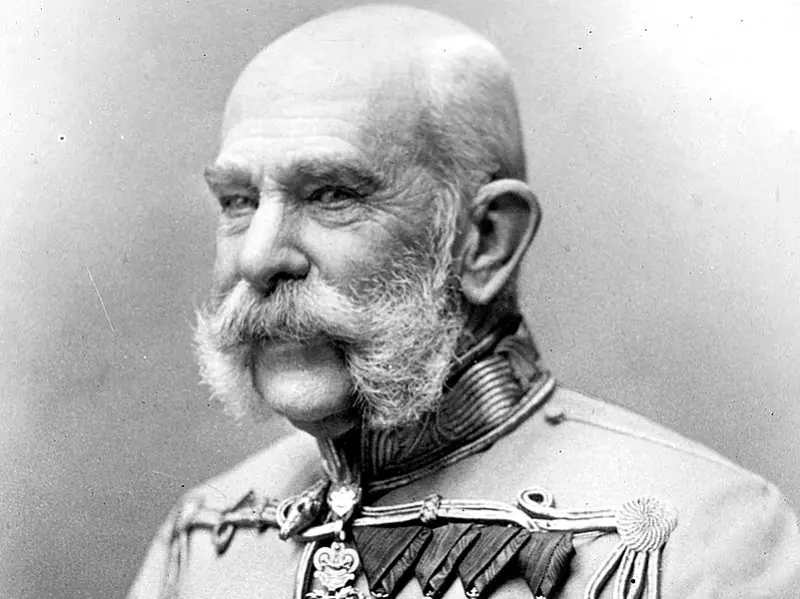
Few European monarchs ruled as long—or witnessed as many historic changes—as Franz Joseph I. As Emperor of Austria and later ruler of the Austro-Hungarian Empire, he governed a vast multinational state for nearly seven decades.
His reign, which lasted from 1848 to 1916, spanned revolutions, wars, political reforms, and ultimately the events that triggered World War I. Although Franz Joseph I described himself as “the last monarch of the old school,” his rule shaped the political landscape of Central Europe for generations.
📖 In This Article:
- Early Life and Rise to the Throne
- Creation of the Austro-Hungarian Monarchy
- Foreign Policy and European Conflicts
- The Assassination That Sparked World War I
- Personal Life and Family Tragedies
- Leadership Style and Character
- Legacy of Emperor Franz Joseph I
- Frequently Asked Questions
Early Life and Rise to the Throne
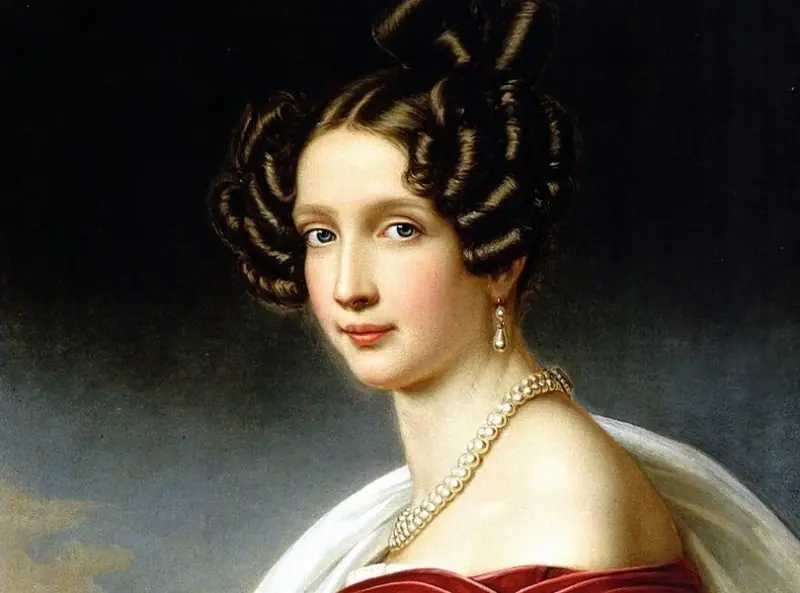
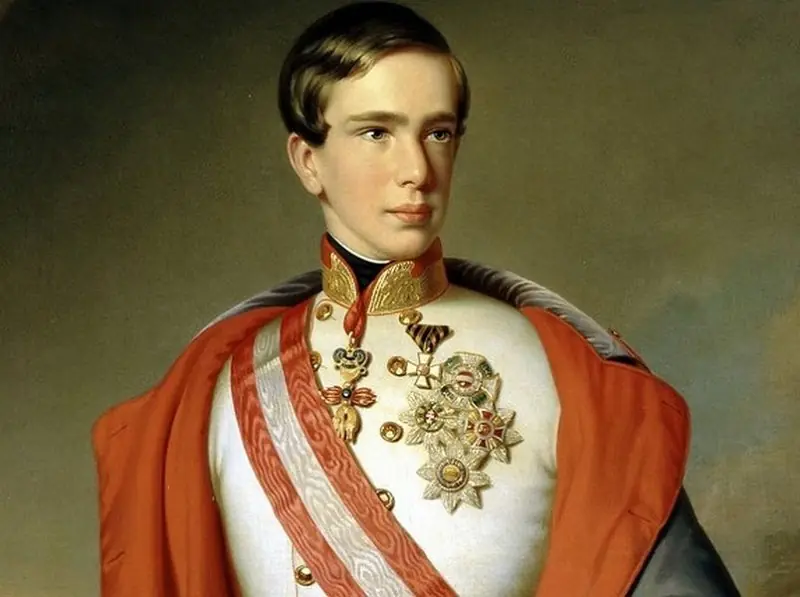
Franz Joseph I was born in 1830 into the powerful Habsburg dynasty. His father was Archduke Franz Karl of Austria, while his mother, Princess Sophie of Bavaria, belonged to the Bavarian royal family.
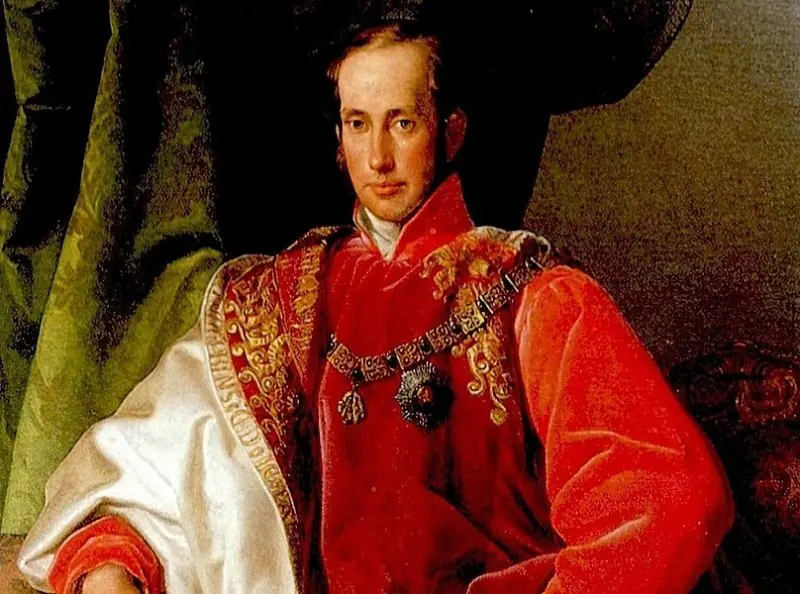
His path to power came unexpectedly. During the Austrian Revolution of 1848, Emperor Ferdinand I abdicated the throne. Franz Joseph’s father renounced his own claim, allowing the 18-year-old archduke to become emperor of the Austrian Empire.
At such a young age, Franz Joseph suddenly found himself ruling one of Europe’s most complex multinational empires.
Learn more about the Habsburg dynasty in this overview of the House of Habsburg.
Creation of the Austro-Hungarian Monarchy
Franz Joseph’s early reign was marked by revolutions and political instability across the empire. One of the most significant events was the Hungarian uprising against Austrian rule.
With assistance from Russian troops sent by Tsar Nicholas I, the rebellion was suppressed. However, the conflict revealed deep divisions within the empire.
In 1867, a compromise was reached that created the Austro-Hungarian Monarchy, also known as the Dual Monarchy. This arrangement granted Hungary significant autonomy while maintaining a single emperor and shared foreign policy.
The new political structure attempted to stabilize the empire by balancing the interests of its many national groups.
Foreign Policy and European Conflicts
Franz Joseph’s reign was shaped by a series of geopolitical challenges.
- Austria lost influence in Italy during the wars of Italian unification.
- It was defeated by Prussia in 1866, ending Austrian leadership in German affairs.
- In 1871, Austria-Hungary aligned itself with the newly unified German Empire.
Later, the empire expanded its influence in the Balkans. In 1908, Austria-Hungary formally annexed Bosnia and Herzegovina, which intensified tensions with Serbia and Russia.
This move triggered the Bosnian Crisis and contributed to the political instability that eventually led to World War I.
The Assassination That Sparked World War I
One of the most dramatic moments of Franz Joseph’s reign occurred in June 1914.
The emperor’s nephew and heir, Archduke Franz Ferdinand, was assassinated in Sarajevo by Serbian nationalist Gavrilo Princip. The attack shocked Europe and triggered a diplomatic crisis.
Austria-Hungary declared war on Serbia, which quickly escalated into World War I as alliances pulled major powers into the conflict.
Ironically, Franz Joseph himself did not live to see the war’s final outcome. He died in 1916 at the age of 86, two years before the collapse of the Austro-Hungarian Empire.
Personal Life and Family Tragedies
The emperor’s private life was marked by tragedy.
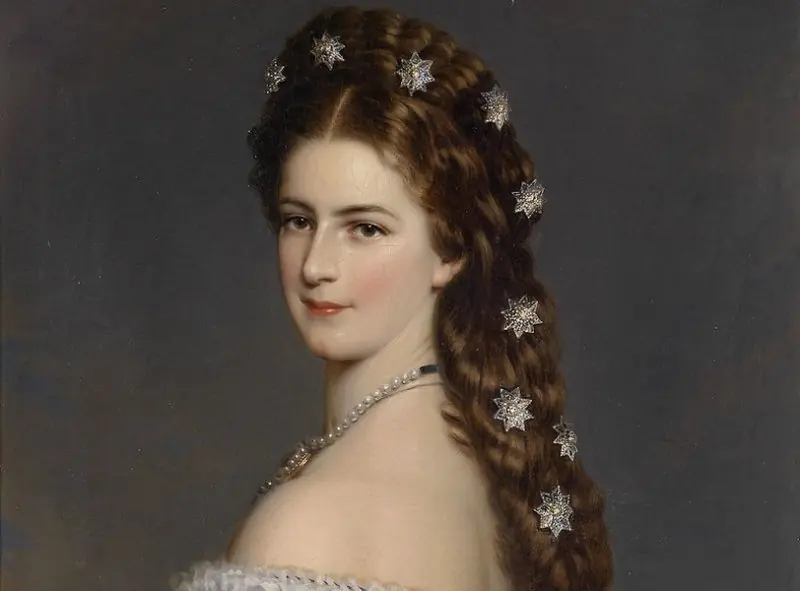
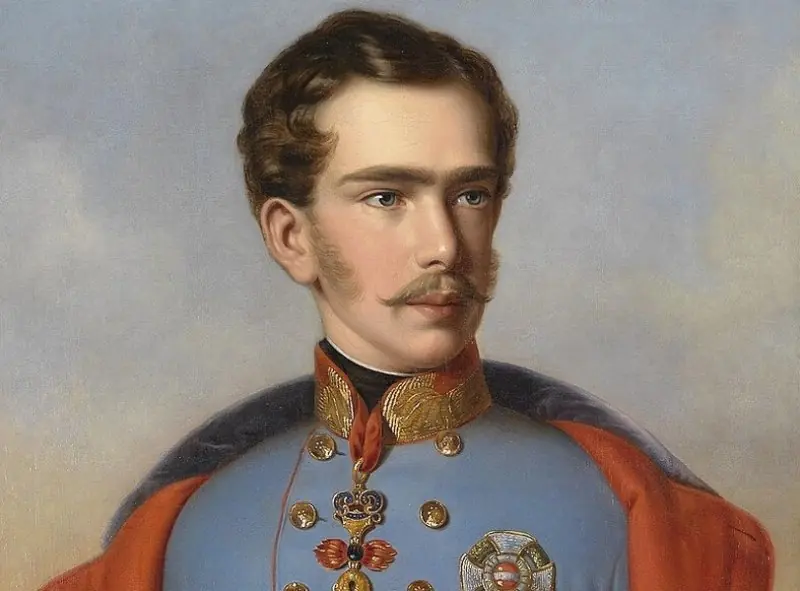
In 1854, Franz Joseph married Elisabeth of Bavaria, widely known as Empress “Sisi.” The marriage produced several children, including Crown Prince Rudolf, the long-awaited heir.
In 1889, however, the imperial family was shaken by the Mayerling tragedy. Crown Prince Rudolf and his companion Baroness Marie von Vetsera died in an apparent suicide pact at a hunting lodge near Vienna.
Another devastating blow came in 1898 when Empress Elisabeth was assassinated in Geneva by Italian anarchist Luigi Lucheni.
Leadership Style and Character
Franz Joseph considered himself a conservative monarch devoted to tradition and duty. He once described himself as “the last monarch of the old school.”
Despite ruling a modernizing empire, he personally resisted many technological innovations. For example:
- He initially refused to install a telephone in the palace.
- Electric lighting was adopted reluctantly.
- He continued using a portable bathtub filled manually with water.
Nevertheless, the emperor was known for his disciplined lifestyle, sense of responsibility, and dedication to preserving the Habsburg monarchy.
Legacy of Emperor Franz Joseph I
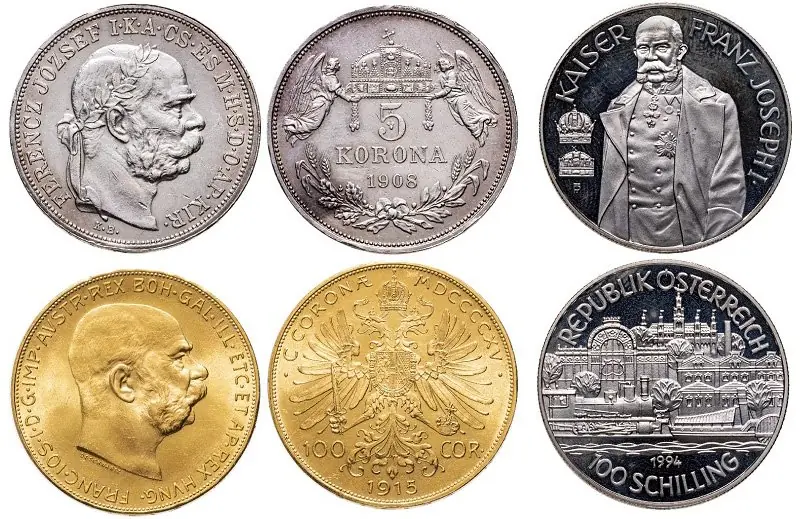
Franz Joseph I ruled for an extraordinary 68 years, making him one of the longest-reigning monarchs in European history.
During this time, the Austro-Hungarian Empire remained one of the largest multinational states in Europe. However, rising nationalism and geopolitical tensions eventually undermined the empire’s stability.
After World War I ended in 1918, the empire dissolved into several independent states, including Austria, Hungary, and Czechoslovakia.
Today, Franz Joseph remains a complex historical figure—remembered both as a symbol of imperial tradition and as the monarch whose reign ended with the fall of one of Europe’s great empires.
Frequently Asked Questions About Franz Joseph I
Who was Franz Joseph I?
Franz Joseph I was the Emperor of Austria and later ruler of the Austro-Hungarian Empire. He reigned from 1848 until his death in 1916, making him one of the longest-serving monarchs in European history.
How long did Franz Joseph rule?
Franz Joseph ruled for 68 years. His reign began in 1848 during the European revolutions and ended in 1916 during World War I.
What was the Austro-Hungarian Monarchy?
The Austro-Hungarian Monarchy was a dual political system established in 1867 that united Austria and Hungary under a single emperor while allowing both states their own governments.
What was the Mayerling tragedy?
The Mayerling tragedy refers to the mysterious deaths of Crown Prince Rudolf and his companion in 1889. The incident shocked Europe and left the empire without its direct heir.
How did Franz Joseph influence World War I?
After the assassination of Archduke Franz Ferdinand in 1914, Franz Joseph approved Austria-Hungary’s declaration of war on Serbia, which triggered the chain of events leading to World War I.
What happened to the Austro-Hungarian Empire?
The empire collapsed in 1918 after World War I. Rising nationalist movements and military defeat led to the creation of several independent states in Central and Eastern Europe.
Conclusion: Franz Joseph I ruled during a transformative era in European history. His long reign symbolized the final decades of the Habsburg Empire and the end of the traditional monarchies that once dominated Central Europe.