
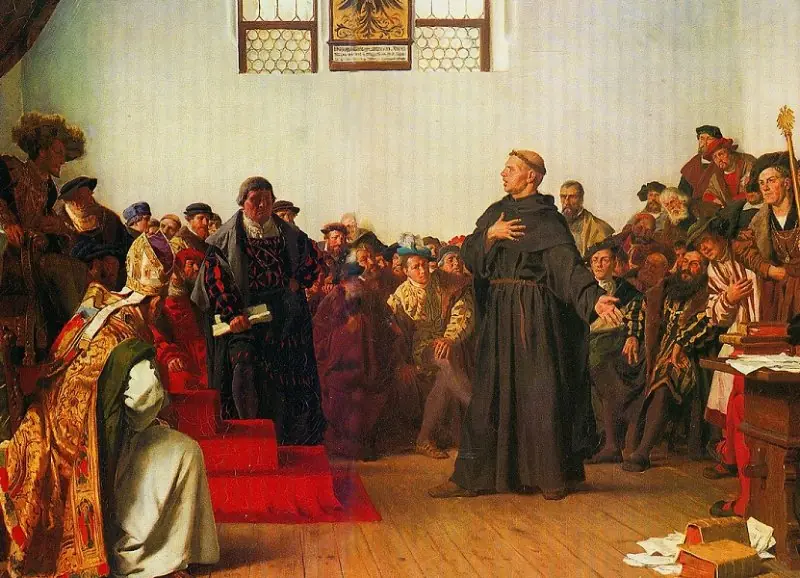
How did one German monk challenge the authority of the most powerful church in Europe and change Christianity forever? The story of Lutheranism begins with a bold act of protest in 1517 that sparked the Protestant Reformation and reshaped religious life across the world.
Lutheranism is the oldest branch of Protestant Christianity, founded on the teachings of Martin Luther. His criticism of the Catholic Church’s practices triggered a movement that would redefine faith, authority, and the relationship between believers and God.
📖 In This Article:
- Who Founded Lutheranism?
- The Ninety-Five Theses and the Birth of the Reformation
- Core Beliefs of Lutheranism
- The Five Solas of Protestant Theology
- Lutheran Church Structure and Clergy
- Martin Luther and the German Bible
- The Spread of Lutheranism Across Europe
- Lutheranism in the Modern World
- Frequently Asked Questions
Who Founded Lutheranism?
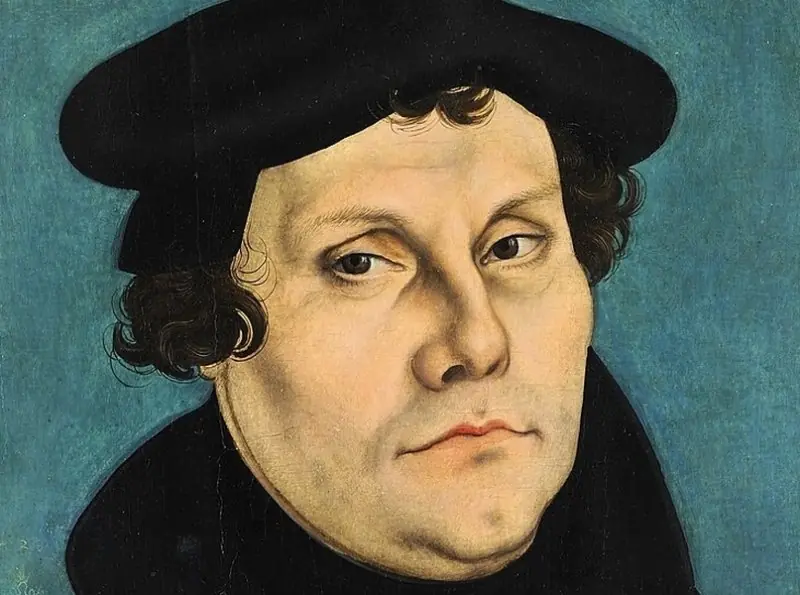
Lutheranism originated with Martin Luther (1483–1546), a German monk, Catholic priest, and theologian. Luther belonged to the Order of St. Augustine and spent much of his life studying Scripture and questioning the practices of the Roman Catholic Church.
Luther believed that the Church had strayed from biblical teachings, placing too much authority in clergy and papal power. He argued that faith—not church hierarchy or purchased forgiveness—was the true path to salvation.
The Ninety-Five Theses and the Birth of the Reformation
In October 1517, Martin Luther published his famous Ninety-Five Theses, criticizing corruption within the Catholic Church.
His biggest concern was the sale of indulgences—documents sold by church officials that supposedly reduced punishment for sins. Luther argued that forgiveness could not be bought and that the Pope did not possess exclusive authority to pardon sins.
The controversy quickly spread throughout Europe thanks to the printing press. In 1520, Pope Leo X demanded that Luther retract many of his statements. Luther refused and was excommunicated, leading to a historic split within Christianity.
Learn more about the Protestant Reformation on Wikipedia’s overview of the Protestant Reformation.
Core Beliefs of Lutheranism
Unlike Catholic doctrine, Lutheran theology emphasizes direct faith in God rather than reliance on church authority.
Key beliefs include:
- Salvation comes through faith alone
- The Bible is the ultimate religious authority
- God’s grace is necessary for human salvation
- Jesus Christ is the only mediator between God and humanity
Lutherans believe that all humans are sinful by nature and cannot earn salvation through good works. Instead, salvation is a gift granted by God through faith.
Read More:
The Five Solas of Protestant Theology
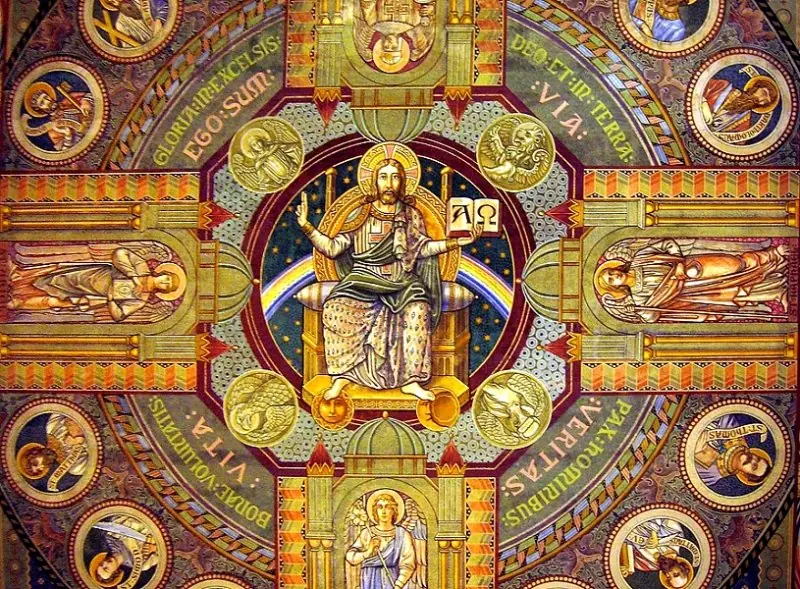
The theological foundation of Lutheranism is often summarized in the Five Solas, Latin phrases that define Protestant belief.
- Sola Scriptura – Scripture alone is the ultimate authority.
- Sola Fide – Salvation comes through faith alone.
- Sola Gratia – Salvation is granted by God’s grace.
- Solus Christus – Christ alone is the mediator between God and humanity.
- Soli Deo Gloria – Glory belongs only to God.
These principles rejected the Catholic hierarchy’s claim that priests and the Pope were necessary intermediaries between believers and God.
Lutheran Church Structure and Clergy
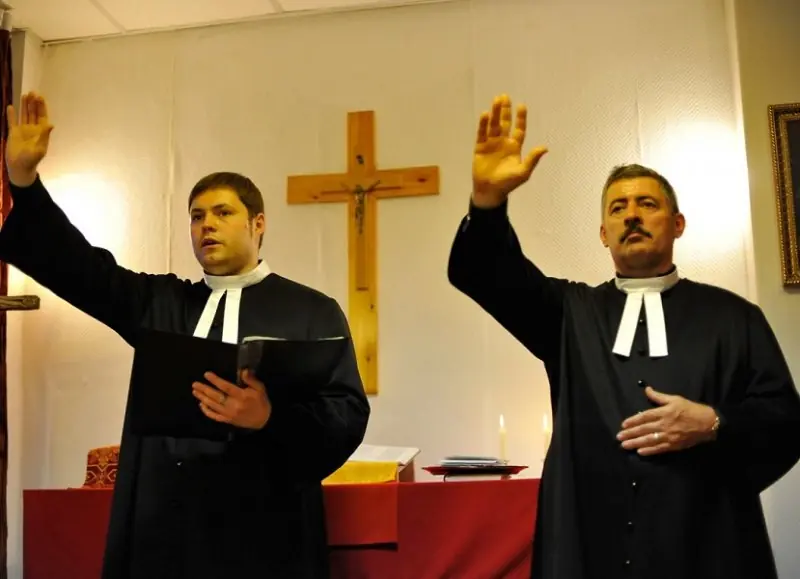
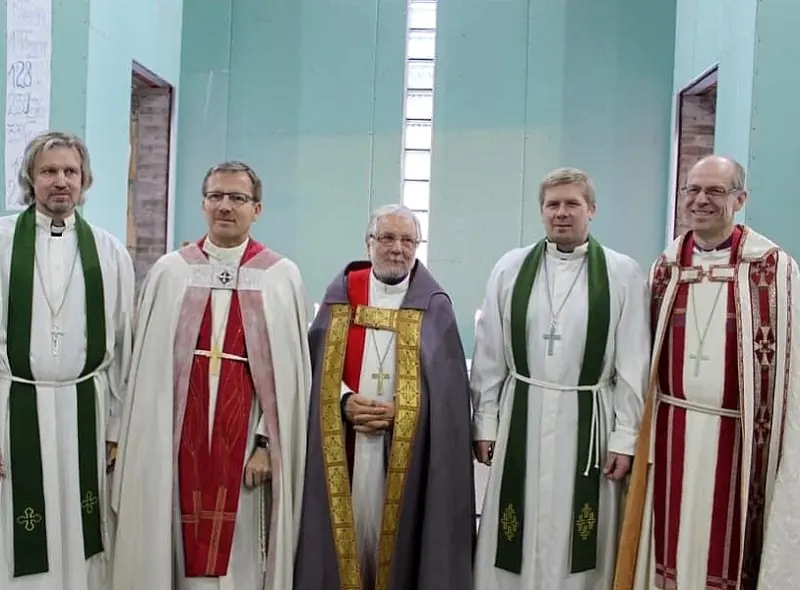
Lutheran churches retain clergy but maintain a simpler hierarchy than Catholicism. The typical structure includes:
- Bishop – leader of a diocese or regional church
- Pastor – ordained minister who preaches and administers sacraments
- Deacon – assists the pastor with church duties
Lutherans recognize only two sacraments:
- Baptism
- Holy Communion
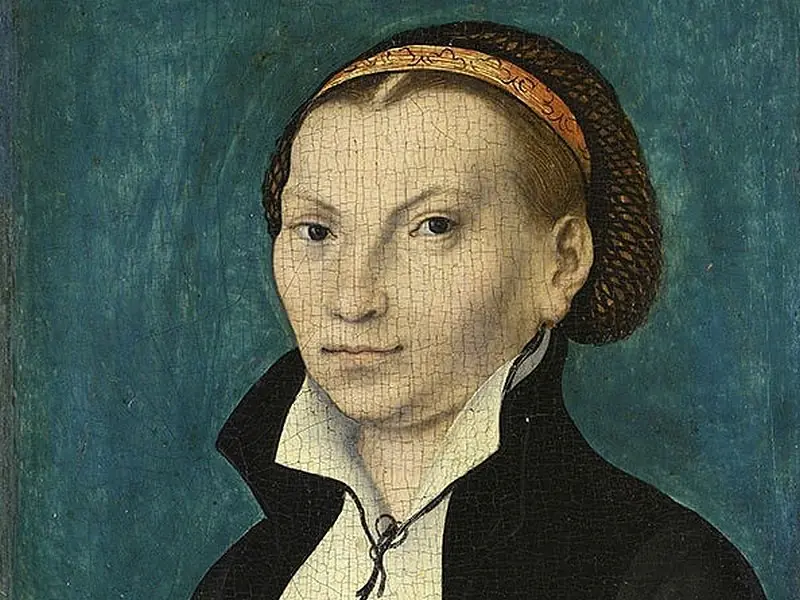
Unlike Catholic priests, Lutheran clergy are allowed to marry. Martin Luther himself married former nun Katharina von Bora in 1525.
Martin Luther and the German Bible
One of Luther’s most influential achievements was translating the Bible from Latin into everyday German. Before this, Scripture was largely inaccessible to ordinary believers.
Luther’s translation helped standardize the German language and made the Bible available to the wider public. The invention of the printing press accelerated its spread across Europe.
You can read more about Luther’s translation work at Encyclopaedia Britannica’s article on Luther’s German Bible.
The Spread of Lutheranism Across Europe
The Reformation quickly spread beyond Germany. Lutheranism gained strong support in Scandinavia and parts of Eastern Europe.
Key moments in its expansion included:
- The Council of Trent (1563), which condemned Protestant teachings
- The Thirty Years’ War (1618–1648), a major conflict between Catholic and Protestant states
- The support of King Gustav II Adolf of Sweden, who defended Protestant territories
During the war, Swedish troops famously used the motto “Gott mit uns” (“God with us”).
Lutheranism in the Modern World
Today, Lutheranism remains one of the largest Protestant traditions, with approximately 85 million followers worldwide.
The largest Lutheran populations are found in:
- Germany
- Sweden
- Norway
- Finland
- Denmark
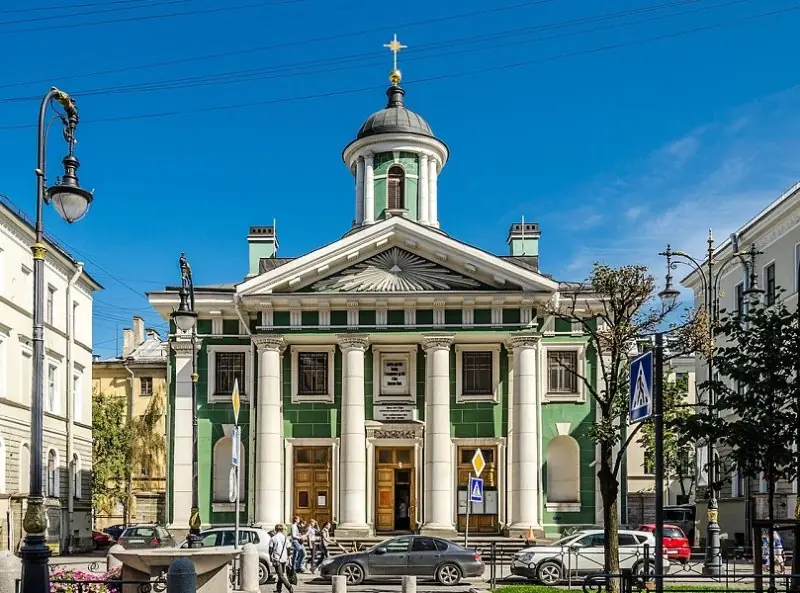
Lutheran churches also exist in Eastern Europe, Russia, and North America. In Russia, the first Lutheran church was established in 1565 during the reign of Tsar Ivan the Terrible.
Modern Lutheran communities are known for their involvement in the ecumenical movement, which promotes unity among different Christian denominations.
Read More:
Frequently Asked Questions About Lutheranism
What is Lutheranism?
Lutheranism is a major branch of Protestant Christianity founded by Martin Luther in the 16th century. It emphasizes salvation through faith alone, the authority of the Bible, and God’s grace as the basis for forgiveness and redemption.
How is Lutheranism different from Catholicism?
Lutheranism rejects papal authority and teaches that salvation comes through faith rather than church rituals or purchased indulgences. It also recognizes only two sacraments—baptism and communion—while Catholicism recognizes seven.
Do Lutherans believe in saints?
Lutherans respect and honor saints as examples of Christian faith but generally do not pray to them. Instead, they believe that believers can communicate directly with God through Jesus Christ without intermediaries.
Can Lutheran pastors marry?
Yes. Unlike Catholic priests, Lutheran pastors are allowed to marry. Martin Luther himself married Katharina von Bora, a former nun, in 1525.
Where is Lutheranism most common today?
Lutheranism is most common in Northern Europe, particularly Germany, Sweden, Norway, Finland, and Denmark. These countries historically adopted Lutheranism as a national church after the Reformation.
How many Lutherans are there worldwide?
There are roughly 85 million Lutherans globally. The largest communities are found in Germany, Scandinavia, and parts of North America and Africa.
What are the Five Solas?
The Five Solas are key Protestant principles: Scripture alone, faith alone, grace alone, Christ alone, and glory to God alone. They summarize the theological foundation of Lutheran and broader Protestant beliefs.
Conclusion: Lutheranism began as a protest against corruption in the medieval Church but grew into a global Christian tradition. More than five centuries later, Martin Luther’s ideas about faith, Scripture, and personal salvation continue to influence millions of believers worldwide.