

For centuries, the nobility stood at the top of social and political hierarchies in many countries. Kings ruled, but noble families often shaped the power behind the throne. Castles, coats of arms, military service, and inherited titles all formed part of a system that defined medieval and early modern society.
The noble class played a crucial role in the development of European monarchies and feudal states. While their influence declined in the modern era, the historical legacy of nobles still shapes politics, culture, and traditions today.
📖 In This Article:
- What Is Nobility?
- Origins of the Noble Class
- Nobility and the Feudal System
- Types of Nobles and Titles
- The Development of Russian Nobility
- Privileges and Rights of Nobles
- The Decline of the Noble Class
- Nobility in the Modern World
- Frequently Asked Questions
What Is Nobility?
The nobility refers to a privileged social class historically associated with hereditary titles, political authority, and land ownership. In medieval Europe, nobles formed the aristocracy and were often closely connected to monarchs.
Nobles typically served kings or princes as administrators, military commanders, or court officials. In return for their loyalty and service, they received land, privileges, and social prestige.
According to Wikipedia’s definition of nobility, the noble class emerged during the feudal era and played a key role in building medieval European states.
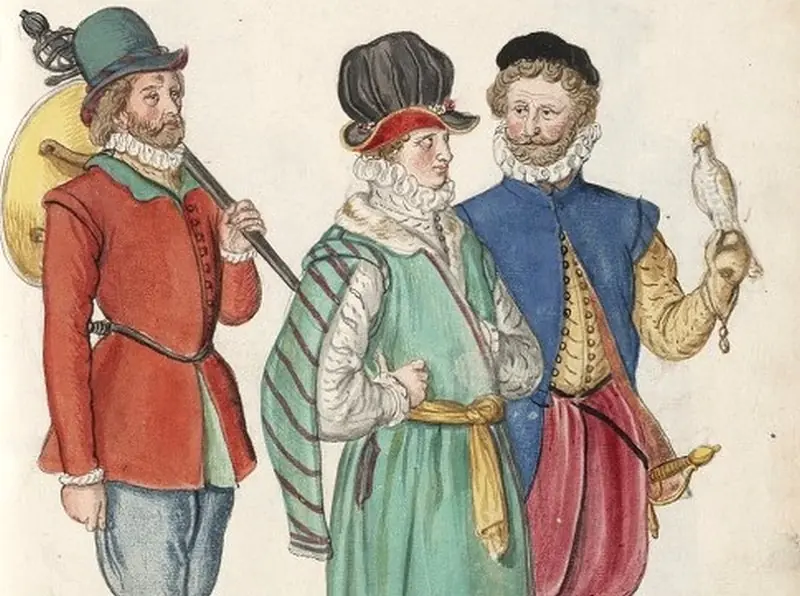
Origins of the Noble Class
The roots of the nobility lie in the political and military structures of medieval Europe. Powerful rulers relied on loyal warriors and administrators to govern their territories. These individuals gradually became a distinct social class.
During the Middle Ages, noble families accumulated wealth and influence through land ownership and military service. Over time, their titles and privileges became hereditary, passing from one generation to the next.
This system created a powerful aristocracy that controlled large estates and influenced political decisions throughout Europe.
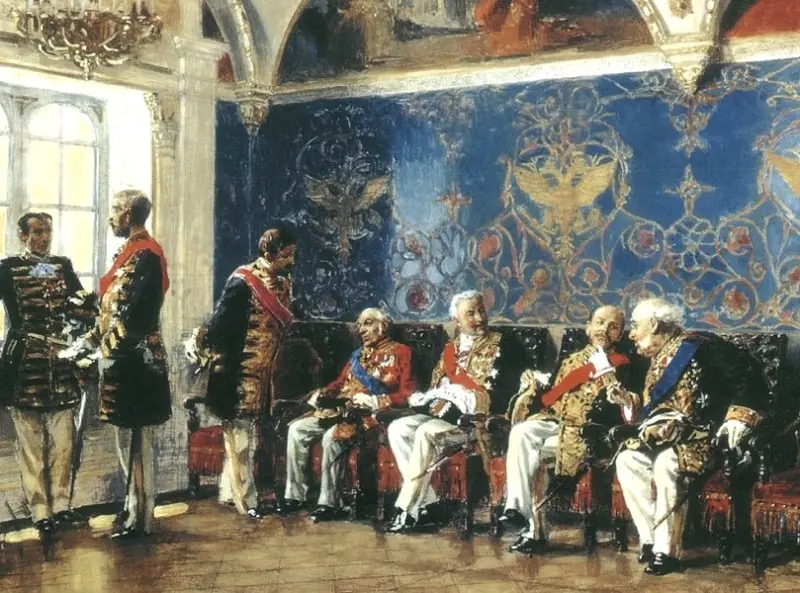
Nobility and the Feudal System
The material foundation of the noble class was the feudal system, a social and economic structure based on land ownership and loyalty.
Under feudalism:
- A vassal pledged loyalty and military service to a powerful lord.
- The overlord granted land or estates in return.
- Peasants worked the land and supported the feudal economy.
Nobles often lived in castles or manor houses and governed surrounding lands. Their responsibilities included protecting the territory, maintaining order, and defending the monarch during wars.
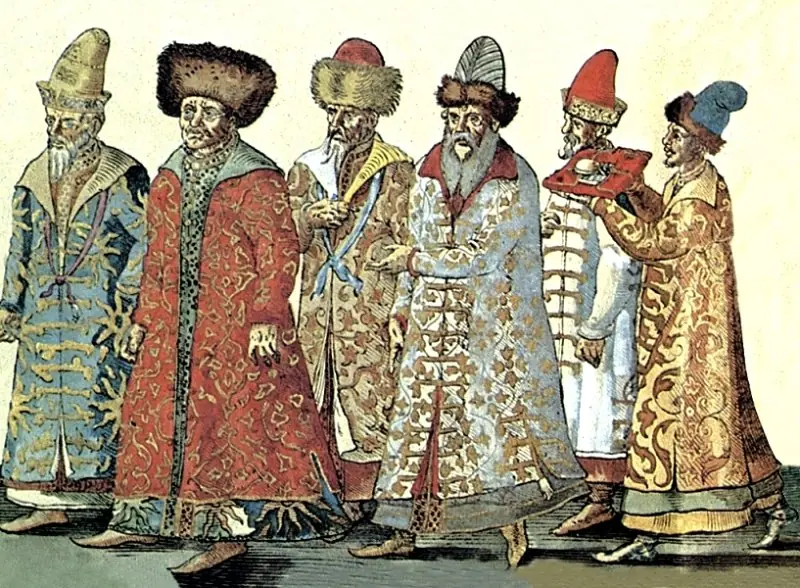
Types of Nobles and Titles
Nobility was not a single uniform group. It was typically divided into two major categories:
- Titled nobility – individuals holding formal ranks such as prince, duke, count, or baron.
- Untitled nobility – members of the noble class without hereditary titles but still recognized as aristocrats.
In many societies, noble families were also classified by origin:
- Hereditary nobles who inherited their titles and estates.
- Granted nobles who received titles from monarchs for service or achievements.
The upper nobility often held significant political power, while lesser nobles frequently served as military officers or administrators.
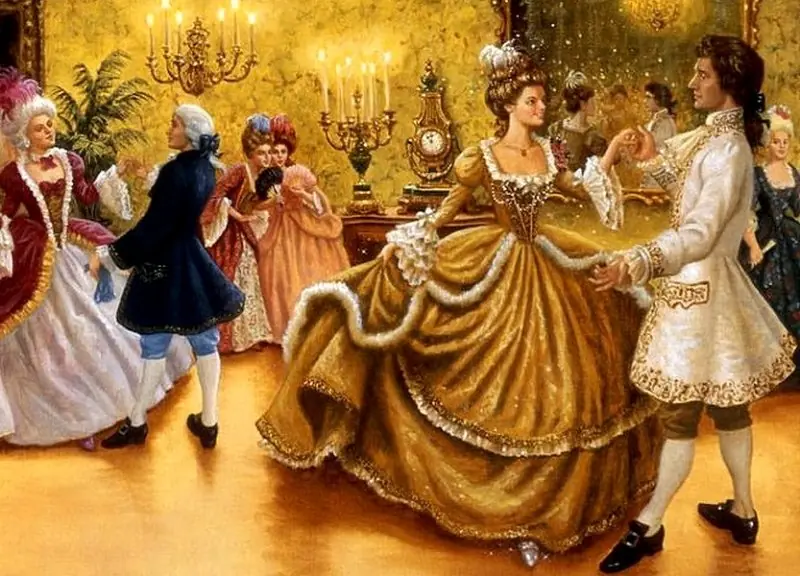
The Development of Russian Nobility
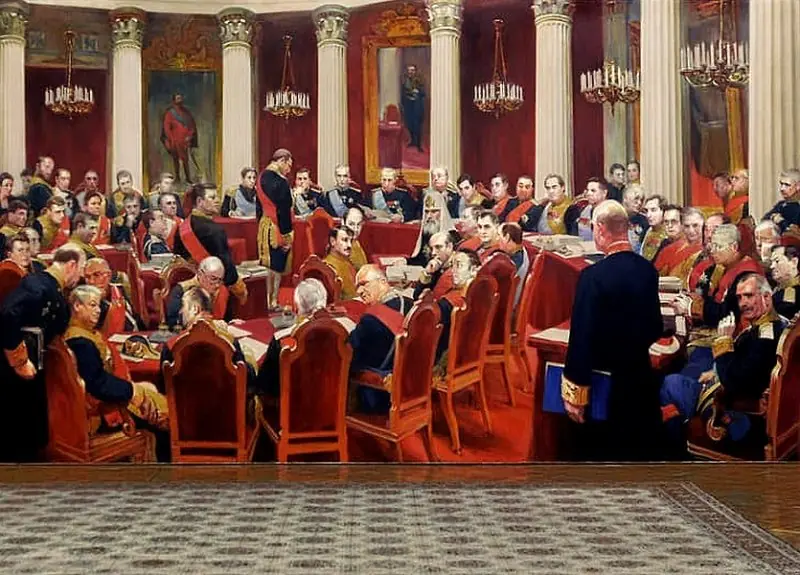
The Russian nobility emerged around the 12th century and initially developed as a military class. Noblemen formed the court of princes and powerful boyars, serving in administrative and diplomatic roles.
In 1785, Empress Catherine II issued the famous Charter to the Nobility, which formalized the rights and privileges of the Russian aristocracy.
Later, under Peter the Great, the Table of Ranks allowed individuals to earn noble status through military or civil service. This system created new noble families from talented individuals who rose through the state hierarchy.
Privileges and Rights of Nobles
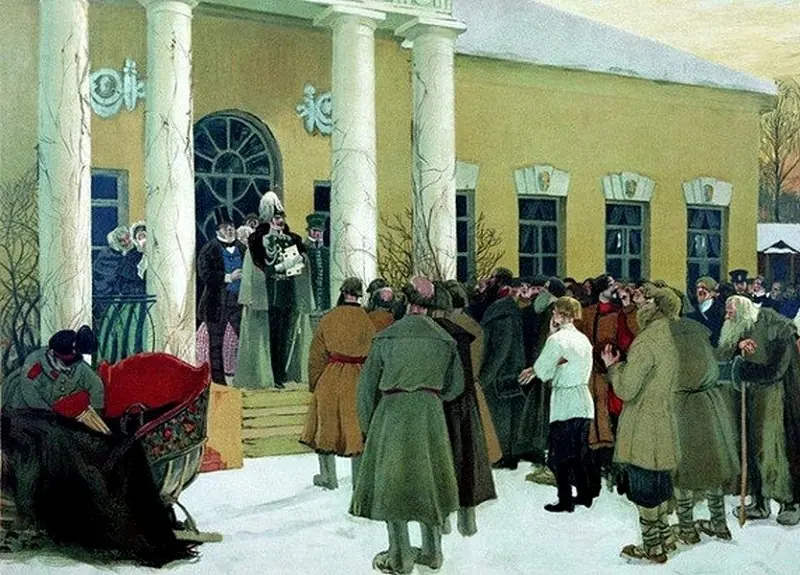
Throughout the 18th and 19th centuries, Russian nobles enjoyed numerous privileges.
These included:
- Ownership of large estates and land
- Control over serfs and agricultural labor
- Exemption from certain taxes and state duties
- The right to bear a coat of arms and carry weapons
- Special legal status and social prestige
By the late 18th century, noblewomen in Russia also possessed notable property rights. Unlike many European societies, Russian law allowed married noblewomen to own and sell property independently.
The Decline of the Noble Class
The influence of the nobility began to decline during the 18th and 19th centuries. Economic changes, the rise of capitalism, and political reforms gradually weakened the feudal system.
In Russia, the abolition of serfdom in 1861 significantly reduced the power of landowning nobles. The final blow came after the Russian Revolution of 1917, when the new government abolished noble land ownership entirely.
Similar transformations occurred across Europe as democratic systems replaced monarchies and aristocratic privileges.
Nobility in the Modern World
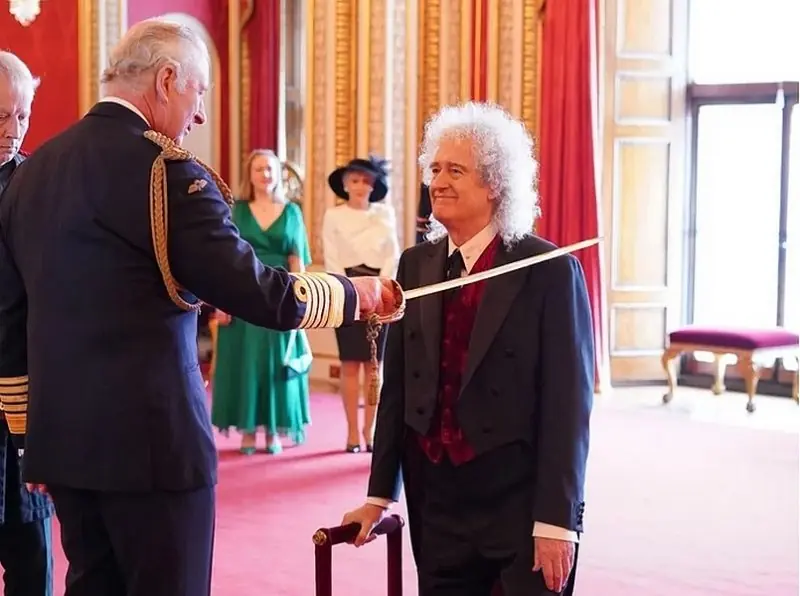
Today, the nobility largely exists as a ceremonial or cultural institution rather than a political power.
In countries such as the United Kingdom, Belgium, and Liechtenstein, noble titles still exist but usually carry no legal privileges.
Instead, these titles represent historical tradition and social recognition rather than authority over land or government.
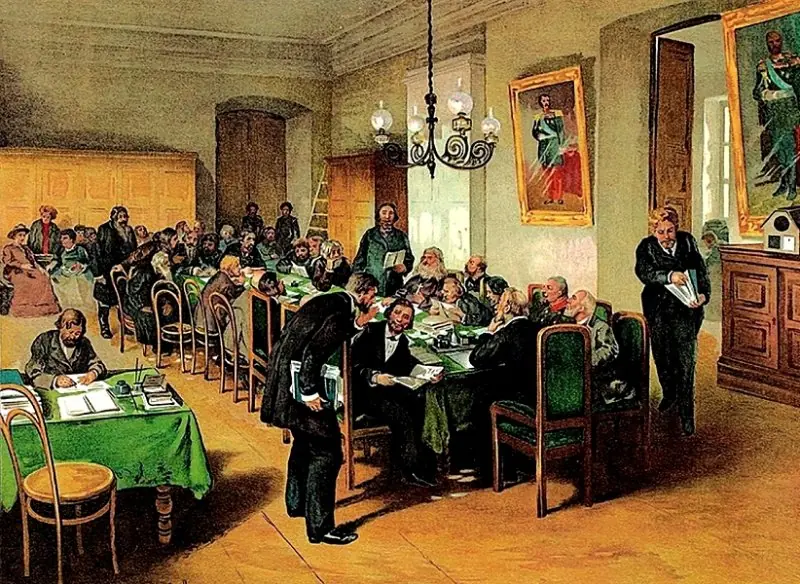
Organizations such as noble assemblies and historical societies continue to preserve aristocratic heritage and genealogy.
Read More:
- Robin Hood: Separating Legend from Historical Reality
- Franz Joseph I: The Long-Reigning Emperor of Austria-Hungary
- Henry III of France: The Last Valois King Who Fled Poland
- History Of Ayyubi And Seljuk Empire
Frequently Asked Questions About Nobility
What is the nobility?
The nobility is a privileged social class historically associated with hereditary titles, land ownership, and political influence. Nobles typically served monarchs and formed the aristocratic elite of medieval societies.
What roles did nobles play in medieval society?
Nobles served as military leaders, administrators, and advisors to kings. They governed territories, collected taxes, and defended the state during wars or internal conflicts.
What are common noble titles?
Common noble titles include prince, duke, marquis, count, viscount, and baron. These titles indicated rank within the aristocratic hierarchy.
How did someone become a noble?
Most nobles inherited their status from their families. However, monarchs could also grant noble titles to individuals who performed exceptional military or political service.
Does nobility still exist today?
Yes, noble titles still exist in several countries, especially in Europe. However, in most modern democracies, these titles carry symbolic prestige rather than political power.
Why did the power of nobles decline?
The power of nobles declined due to the rise of democratic institutions, economic modernization, and political revolutions that abolished feudal privileges and aristocratic control.
Conclusion: The nobility once formed the backbone of monarchies and feudal states. Although their political influence has largely disappeared, the legacy of noble families continues to shape cultural traditions, historical memory, and aristocratic heritage across many societies.